
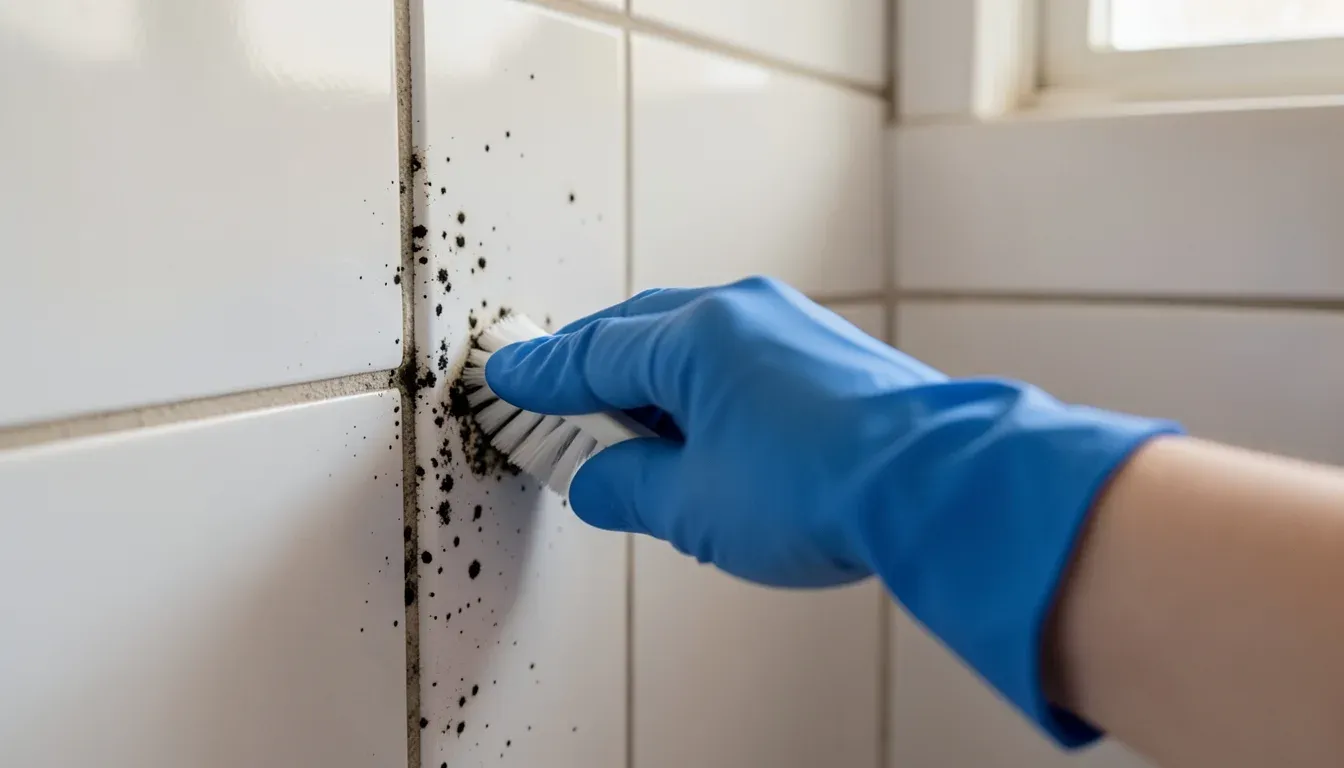
With the first autumn rain, the same warning signs appear in homes across the province: little black spots on the bathroom silicone, stains in the corners of the ceiling, a musty smell in the wardrobes and laundry that never quite dries. Around the Bay of Cádiz the problem is especially common. Many homes in the old town of Cádiz, in El Puerto or in Puerto Real have thick walls that hold on to moisture, few have central heating, and the sea breeze keeps the air damp for much of the winter. In Jerez, traditional patio houses and ground-floor flats suffer in the same way during the colder months.
The good news is that most cases can be prevented and cleaned with simple habits and products you probably already have at home. In this guide we explain how to tell what kind of damp you’re dealing with, how to remove mould safely and what to do so it doesn’t come back.
The three types of damp and how to tell them apart
Before you start cleaning, it’s worth knowing where the water is coming from, because not all damp is solved the same way.
- Condensation. By far the most common. The water vapour we produce by cooking, showering, drying clothes or simply breathing condenses when it touches cold surfaces such as windows, corners or outside walls. It appears mainly in winter, high up and in corners, and it’s fixed with ventilation and cleaning.
- Rising damp. Water from the ground travels up the walls of ground-floor rooms. It leaves stains on the lower part of walls, often with white salt deposits, and the paint bubbles or flakes off.
- Penetrating damp. Water gets in from outside through a roof, a terrace, the façade or a pipe. The stains usually form rings and get worse when it rains.
A simple test: tape a piece of kitchen foil to the affected wall and leave it for two days. If moisture appears on the room side of the foil, it’s condensation; if it appears behind it, the water is coming from inside the wall. Rising and penetrating damp are building problems for a builder or surveyor to look at: cleaning improves how things look, but the mould will return until the cause is fixed.
Where mould appears and why
Mould needs moisture, poor air flow and a surface to cling to. That’s why it keeps turning up in the same places:
- Bathrooms, especially on silicone joints, in the corners of the ceiling and behind the shower screen, where steam gets trapped.
- Window frames and glass, where water condenses every morning.
- Built-in wardrobes on walls facing the street or the patio, which are colder than the rest.
- Behind furniture pushed tight against the wall, where the air doesn’t move.
- Ceiling corners in poorly ventilated bedrooms.
Everyday prevention: the habits that make a difference
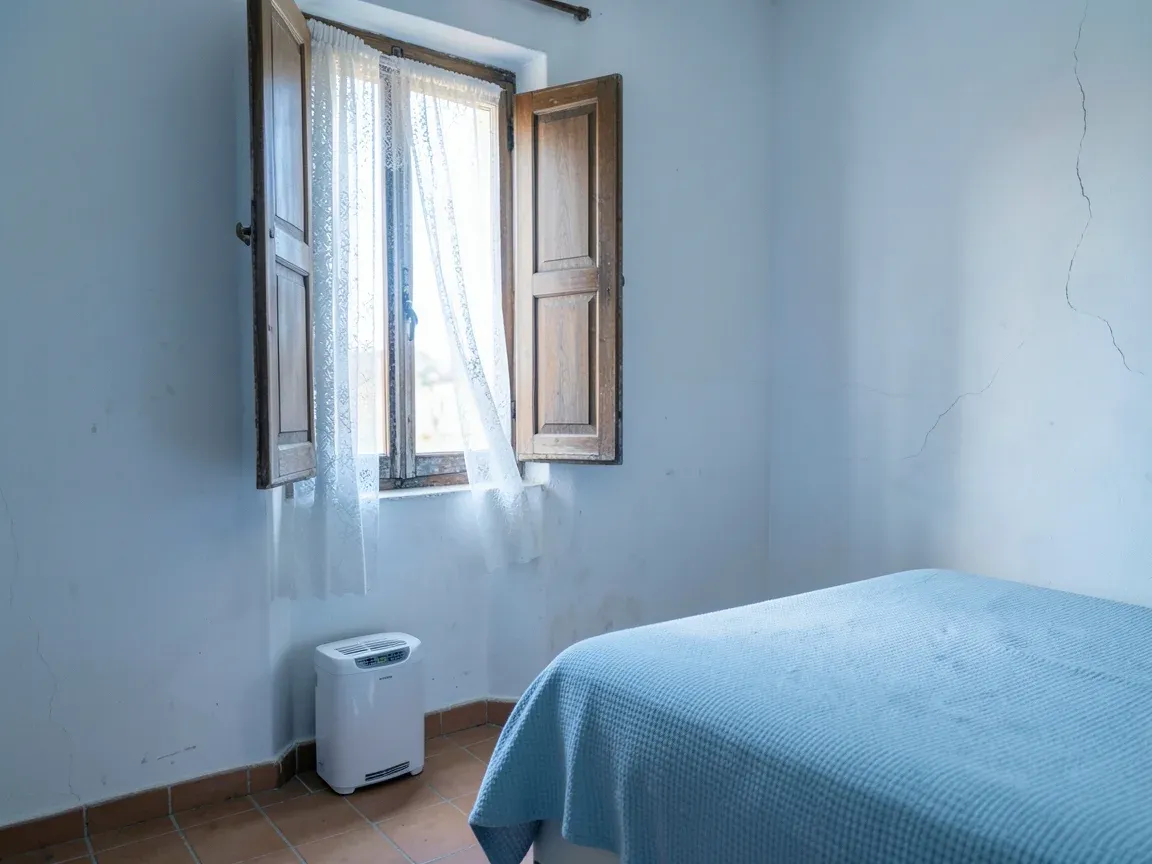
Most condensation mould disappears if you stick with these habits:
- Air the house for ten minutes every morning, even when it’s cold. Open windows on opposite sides to create a through-draught: changing the air quickly cools the house less than leaving one window ajar all day.
- Use the extractor fan in the bathroom and kitchen while you shower or cook, and leave it running for a few minutes afterwards.
- Dry the bathroom after showering. A squeegee on the screen and a cloth over the tiles remove the water that feeds mould in under a minute.
- Avoid drying laundry indoors in closed rooms. If there’s no alternative, do it next to an open window or with the dehumidifier on.
- Leave a gap behind furniture of around five centimetres, especially against outside walls, so air can circulate.
- Measure the humidity. A digital hygrometer tells you if you’re above 60 %. If you regularly are, a dehumidifier is one of the most useful things you can buy for a coastal home.
- Keep the temperature steady. Heating hard for a few hours and then letting the house cool suddenly encourages condensation.
How to clean mould, step by step
If mould has already appeared, clean it as soon as possible: the longer you wait, the deeper it gets into joints and paint.
Protect yourself first. Wear gloves, goggles if you’re cleaning the ceiling, and a mask, and keep the room ventilated while you work. Mould spores can irritate the airways, especially for people with asthma or allergies.
Choose the product for the surface:
- Tiles, porcelain and grout: bleach diluted in cold water, one part to ten. Apply it, leave it for ten minutes, scrub with a brush and rinse.
- Painted walls and wood: 3 % hydrogen peroxide, the kind sold in pharmacies, or neat white vinegar in a spray bottle. Spray, leave it for an hour and wipe with a cloth.
- Joints and awkward corners: a paste of bicarbonate of soda and water, applied with an old toothbrush.
Very important: never mix bleach with ammonia, vinegar or other cleaners, because it releases toxic gases. Use one product at a time and rinse thoroughly before trying another.
After cleaning, dry the surface well with a cloth or by leaving the window open. If the shower silicone is still black inside after cleaning, the mould has got into the material, and the most effective fix is to strip it out and apply new anti-mould silicone.
Wardrobes, clothes and mattresses

Wardrobes on outside walls are mould’s favourite hiding place. To protect them, never put away clothes that aren’t completely dry, leave space between hangers so air can circulate, and place a moisture absorber inside, replacing the refill when it fills with water. Once a month, leave the doors open for a few hours to air them.
If clothes already smell damp, wash them again and dry them completely before putting them away. Mattresses and sofas also soak up moisture from the air; we explain how to look after them in our guide on how often to clean your sofa and mattress.
Common mistakes
- Painting over mould without cleaning it or tackling the cause: it comes back within weeks.
- Mixing products so they “clean better”, with the risk of toxic fumes.
- Scrubbing mould dry, which spreads the spores around the room.
- Shutting the house up for weeks in winter, which is common with second homes on the coast, with no ventilation or dehumidifier.
- Blocking air vents to keep the cold out.
When to call in a professional
If the patch covers more than a square metre, keeps coming back even though you air the house, or someone at home has breathing problems, it’s worth getting help. If the source is a leak or rising damp, the first step is for a builder to inspect and repair the cause.
At Hola Limpio we don’t repair leaks, but we do take care of the deep clean: treating mould in bathrooms, kitchens, window frames and wardrobes, and a full clean of the house before or after winter as part of our home cleaning service. We work in Jerez, Cádiz city, Puerto Real and the rest of the bay. If you also live near the sea, you’ll find our guide to protecting your home from sea salt and the Levante wind useful. Get in touch for a free, no-obligation quote.
Frequently asked questions
Does bleach kill mould?
On smooth surfaces such as tiles or porcelain, bleach diluted in water (one part to ten) removes mould stains. On porous surfaces such as paint or wood it tends to bleach the stain without reaching the roots, so hydrogen peroxide or vinegar work better there.
What is the ideal humidity inside a home?
Between 40 and 60 %. If it stays above 60 % for long periods, the risk of condensation and mould goes up. An inexpensive digital hygrometer tells you where each room stands.
Does anti-mould paint work?
It helps keep mould away for longer, but only after the area has been cleaned properly and the cause fixed, whether that's poor ventilation, condensation or a leak. Painting over mould without treating it doesn't get rid of it.