
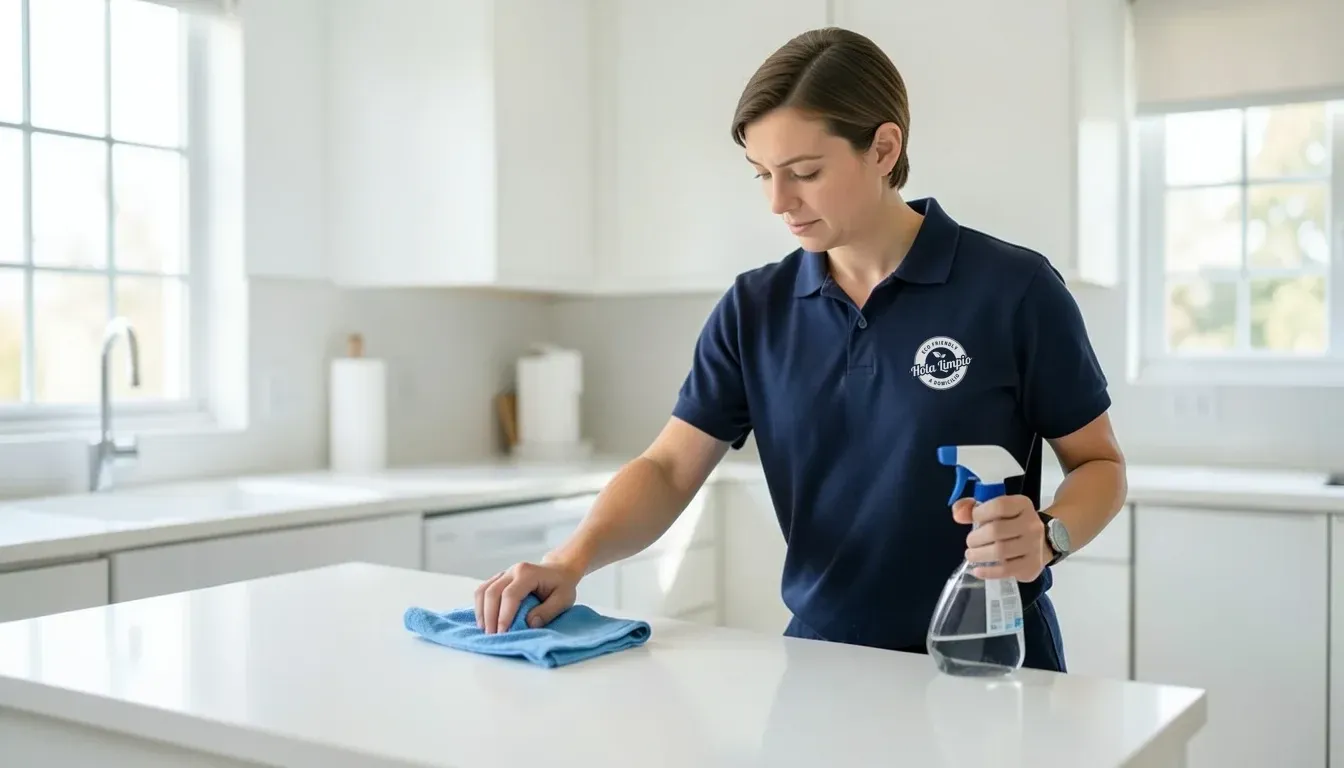
Moving is stressful enough without losing your deposit at the end. In Cádiz and Jerez, where many flats are rented to students, families moving to a new neighbourhood or workers relocating for a season, disputes at the key handover come up every summer and every September. And in many of them the reason isn’t damage at all, but something much simpler: the flat wasn’t clean.
The good news is that cleaning is the part that’s entirely up to you. If you leave the property as it was handed to you, or better, you take away the landlord’s most common reason for deducting money. In this guide we explain what to check, what order to clean in and how to document the handover.
What the law says about the deposit
For residential lets, Spain’s Urban Leases Act sets a deposit of one month’s rent. When the contract ends, the landlord must return it within one month of the key handover; if they don’t, the outstanding amount accrues statutory interest.
The landlord can deduct anything that’s owed, such as unpaid utility bills, and the cost of repairing damage or returning the property to the state it was handed over in. The natural wear of time, such as paint that has faded a little after several years, isn’t usually considered damage. Built-up dirt, grease in the kitchen or limescale in the bathrooms, on the other hand, are frequent reasons for deductions, because they mean paying for a clean.
Before you start, reread your contract and look for the inventory or the photos taken when you moved in. That’s the condition you need to return the property in.
Before cleaning: empty, repair and organise
- Move all your things out first. Cleaning around boxes means doing the job twice.
- Small repairs: fill the holes from wall plugs and hooks with filler, replace blown bulbs and tighten loose handles or hinges.
- Gather your supplies: degreaser, limescale remover, glass cleaner, washing-up liquid, bicarbonate of soda, microfibre cloths, a non-scratch scourer, a mop, a vacuum cleaner and a stepladder.
- Work from top to bottom and from the inside out: ceilings and high cupboards first, floors last, and the room by the front door at the very end.
The kitchen: the room that costs the most deposits
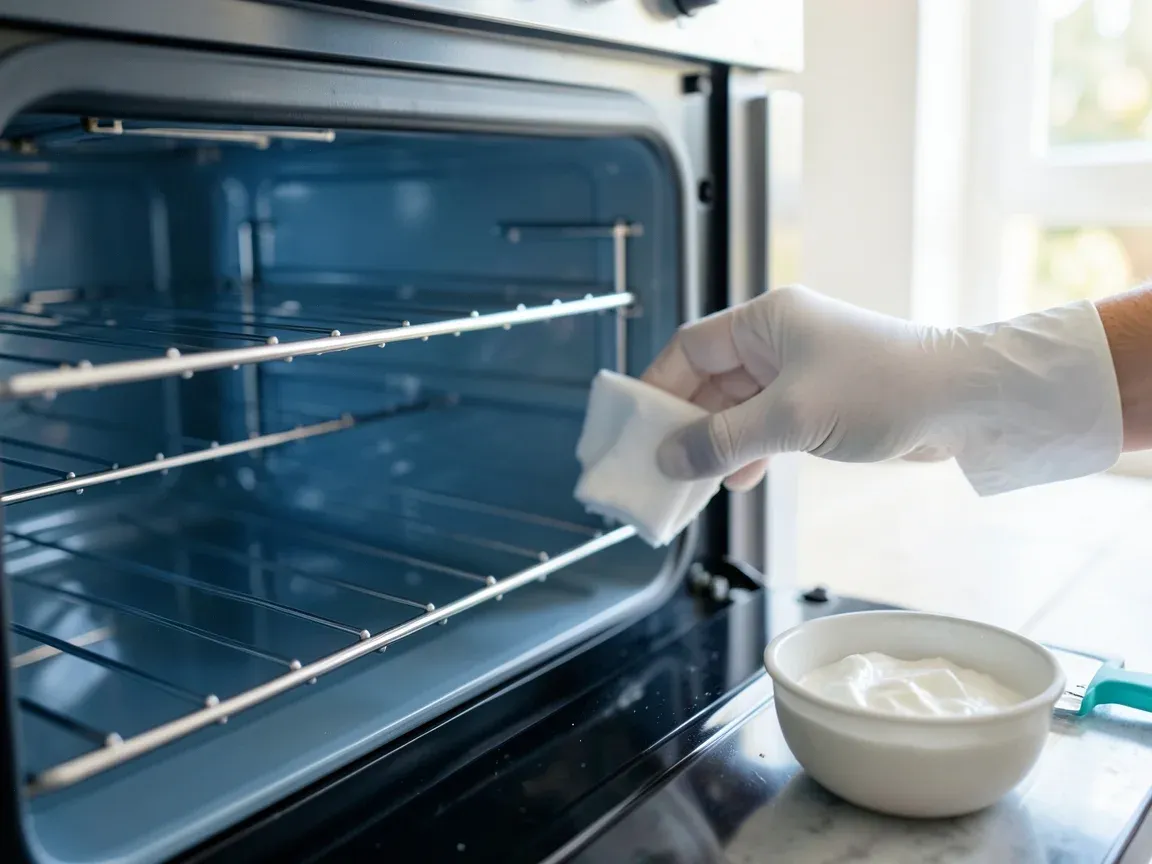
It’s where a lack of cleaning shows most and where landlords look hardest.
- Extractor hood. Take out the filters and soak them in very hot water with washing-up liquid and bicarbonate of soda, or put them in the dishwasher if they’re metal. Clean the housing inside and out.
- Oven. A paste of bicarbonate of soda and water applied the night before softens burnt-on grease. In the morning, remove it with a plastic scraper and a damp cloth. Don’t forget the trays, the racks and the glass in the door.
- Hob. Ceramic hobs with a scraper and a dedicated product; gas burners taken apart and degreased.
- Fridge and freezer. Empty, defrosted, cleaned with water and bicarbonate of soda, dried and with the door ajar.
- Cupboards. Inside and out, including the edges of the doors, where grease collects.
- Tiles and grout around the cooker, the sink, limescale-free taps and the outside of the appliances.
Bathrooms: limescale, grout and mould
- Limescale on taps, shower screen and shower tray: warm vinegar or a limescale remover, left for a few minutes before scrubbing.
- Grout and silicone: if there’s mould, treat it as we explain in our guide to damp and mould at home. Silicone that’s black inside can’t be cleaned: it has to be replaced, and that’s cheap.
- The whole toilet, including the base, the lid hinges and behind it.
- Mirrors, cabinets and the extractor fan grille.
- Drains: remove hair from the shower tray and basin; a blocked drain when the next tenant moves in is a guaranteed complaint.
Bedrooms, living room and the rest of the flat
- Built-in wardrobes inside, shelves and rails.
- Doors, frames, switches and sockets: fingerprints and marks around light switches are among the first things people notice.
- Windows and glass on the inside and, where it’s safe, on the outside. In Cádiz, with the sea salt, dirty windows give an immediate impression of neglect.
- Window and sliding-door tracks, which collect sand and dust.
- Shutters, skirting boards and radiators.
- Walls: a melamine sponge removes many marks without repainting. Test it first somewhere out of sight.
- Terrace or balcony: swept and mopped, with no plant pots or leftovers.
- Floors vacuumed and mopped at the end, starting with the room furthest from the door.
If the flat came with the landlord’s sofa or mattress and they’ve been left stained, an in-home upholstery clean usually costs less than the deduction for replacing them.
Document the key handover
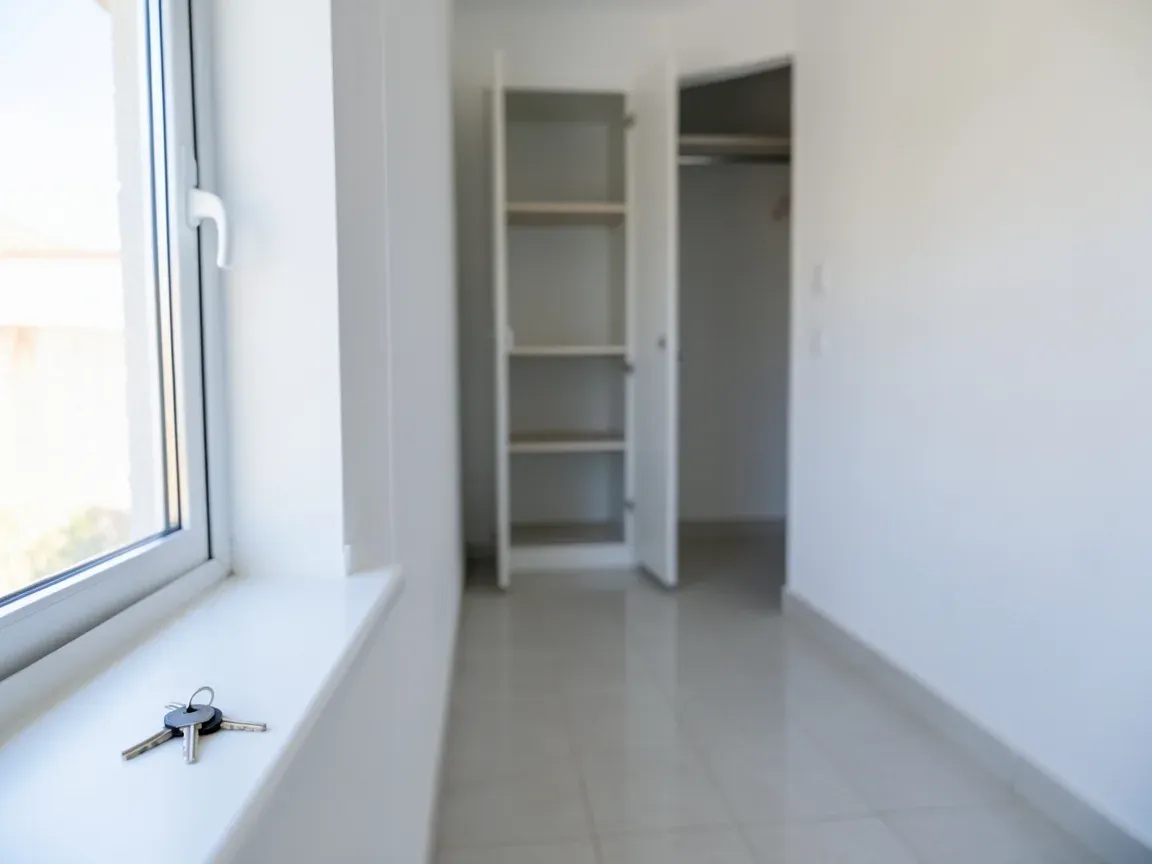
Cleaning is of little use if you can’t prove it afterwards.
- Take photos and video of every room when you finish, in good light, including inside the oven, the fridge, the cupboards and the bathrooms. Make sure the date is visible.
- Compare them with the move-in photos or the inventory in the contract.
- Read the electricity, water and gas meters and photograph them.
- Ask for the keys to be handed over in person and for the condition of the property to be put in writing, even if it’s just a message.
- Hand over all keys and remotes, including those for the main door, garage or storage room.
Mistakes that cost money
- Leaving the cleaning until the day of the handover, in a rush and with no time to go over things.
- Using harsh products on delicate surfaces: bleach on natural stone worktops, steel scourers on ceramic hobs or stainless steel, or acids on marble floors.
- Forgetting what you can’t see: the top of the kitchen cupboards, behind the fridge, inside the oven and the hood filters.
- Not checking the contract, which sometimes includes specific conditions about cleaning or painting.
If you’re the landlord: get the flat ready for the next tenant
The move-out clean matters to landlords too. A flat that’s shown clean rents faster and for a better price, and an inventory with clear photos avoids arguments at the end of the next tenancy.
- Go through the flat with the outgoing tenant and compare it with the move-in inventory before deciding whether anything needs to be deducted.
- Deep clean before viewings: the kitchen, bathrooms, windows and wardrobes are what prospective tenants look at most.
- Small repairs and painting if needed, before the final clean.
- A new inventory with dated photos for the next tenant.
- Check the appliances, drains and shutters to avoid call-outs in the first few weeks.
If you’d rather we did it
Between the move, work and the new flat, many tenants don’t have a free morning to spend cleaning the old one. At Hola Limpio we carry out end-of-tenancy and move-in cleans in Cádiz city, Jerez, Puerto Real and El Puerto de Santa María, paying particular attention to the kitchen and bathrooms, and we send you photos of the result so you have them for the key handover.
We also work for landlords who need the flat ready for the next tenant. It’s part of our residential home cleaning service. Get in touch with the size and condition of the flat and we’ll give you a free, no-obligation quote.
Frequently asked questions
Can my landlord deduct money from the deposit for leaving the flat dirty?
Yes. The landlord can deduct the cost of returning the property to the state it was handed over in, and dirt is one of the most common reasons. That's why it pays to leave it clean and document it with photos on the day you hand over the keys.
How long does the landlord have to return the deposit?
Spain's Urban Leases Act (Ley de Arrendamientos Urbanos) sets one month from the key handover. If that period passes without it being returned, the outstanding amount accrues statutory interest. Also check what your contract says about the condition of the property.
How long does an end-of-tenancy clean take?
In an empty two-bedroom flat, between five and seven hours for one person, depending on the state of the kitchen and bathrooms. A professional team can do it in a morning.